
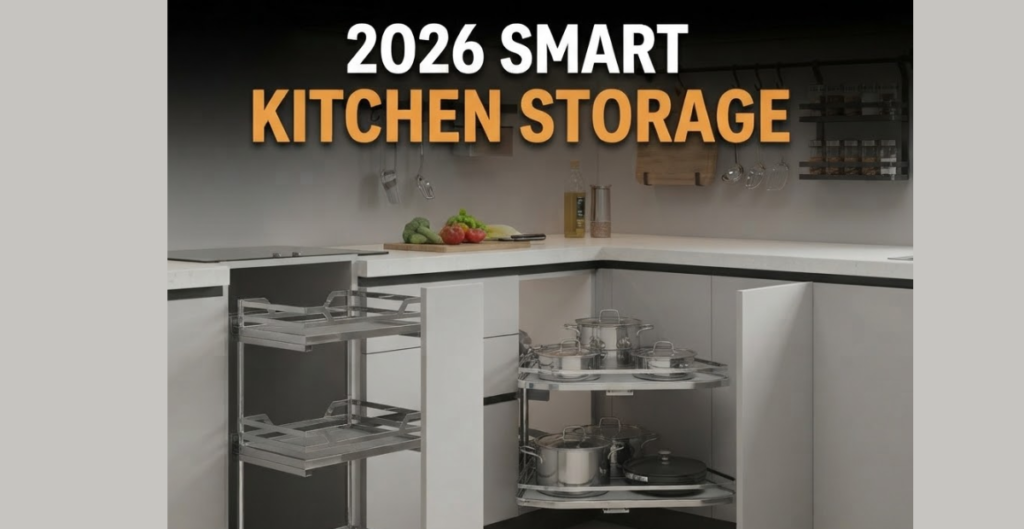
Optimizing a high-traffic culinary space requires strategic spatial planning and premium structural components. Implementing a high-efficiency food storage organizer system transforms chaotic, moisture-prone cooking zones into streamlined, hygienic environments tailored for urban apartments.
By prioritizing rust-resistant materials and modular layouts, homeowners can maximize vertical storage and ensure long-term structural durability.
Quick-Start Guide to Optimizing Modern Bangladeshi Kitchens
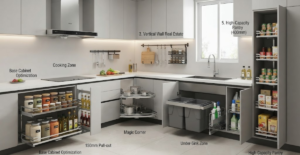
To immediately resolve the spatial constraints common in Dhaka and Chittagong apartments, implementing a systematic zoning strategy is essential.
Urban households frequently manage highly dense inventories consisting of bulk grains, diverse spice collections, and specialized cookware. Managing these items without specialized organizational systems leads to fast structural degradation and severe workflow bottlenecks during daily meal preparation.
The Five Core Activity Zones
- The Consumables Zone: Dedicated space for daily dry staples such as rice, lentils, and flour. This zone requires high-capacity structural steel frames capable of supporting heavy loads without structural sagging.
- The Non-Consumables Zone: Storage areas reserved for daily dinnerware, heavy-bottomed traditional pots, and glass storage containers.
- The Cleaning Zone: The high-moisture under-sink footprint housing waste management components and daily chemical cleaning agents.
- The Preparation Zone: High-utility countertop real estate where active chopping, blending, and ingredient staging occur.
- The Cooking Zone: The thermal center containing high-efficiency gas burners or induction cooktops paired with high-suction ventilation systems.
Architectural Challenges of Urban Bangladeshi Kitchens
Modern residential layouts across major metropolitan areas in Bangladesh have shifted dramatically toward compact apartment living. This structural transition introduces specific spatial challenges that traditional standalone wooden furniture cannot adequately resolve.
High Humidity and Pest Control
The local climate features sustained high humidity levels throughout the monsoon season, creating severe environmental challenges for standard storage solutions. Exposed dry ingredients, food storage organizer , and unsealed food items deteriorate rapidly when subjected to humid air currents. Furthermore, poor airflow inside enclosed wooden cabinets promotes the growth of mold and attracts persistent household pests.
Utilizing an enclosed, heavy-duty food storage organizer system crafted from non-porous materials mitigates these risks by maintaining air-tight environments.
High-Density Inventory Management
Traditional Bangladeshi cuisine demands a vast inventory of active ingredients, including multiple grades of rice,food storage organizer , mustard oils, and ground spices. Storing these items in loose plastic packets or mismatched containers on open countertops creates immediate visual clutter and limits functional preparation space.
Integrating specialized food storage organizer ensures that every ingredient category is assigned a designated, structurally secure location.
[Traditional Layout: High Clutter] --> [Countertop Congestion] --> [Slower Prep Speed]
[Modular Layout: Strategic Zoning] --> [Vertical Integration] --> [Optimized Workflow]
Inefficient Cabinet Depth
Standard kitchen cabinetry built by local carpenters often features deep, dark base enclosures that lack internal shelving organization. food storage organizer of these 24-inch deep spaces quickly become inaccessible, leading to duplicate purchases of hidden items and expired food products.
Transitioning away from static wooden shelves to dynamic pull-out mechanisms brings hidden inventory forward into clear view, optimizing daily operational workflows.
Technical Specifications for Kitchen Organizers
Selecting premium organizational hardware requires an understanding of raw material configurations and weight capacities to ensure sustained operational longevity.
Material Grades: Stainless Steel vs. Chrome-Plated Wire
| Material Specification | Corrosion Resistance | Structural Load Capacity | Ideal Kitchen Application Zone |
| SUS304 Stainless Steel | Ultra-High (Rust-Proof) | Up to 45 kg | High-Moisture Under-Sink & Cooking Zones |
| Powder-Coated Carbon Steel | Medium-High | Up to 35 kg | Dry Pantries & Upper Vertical Wall Racks |
| Chrome-Plated Mild Steel | Low (Prone to chipping) | Up to 20 kg | Low-Humidity Display Shells Only |
Investing in premium SUS304 stainless steel prevents the structural pitting and oxidation common in coastal regions and high-humidity urban microclimates.
Structural Mechanisms and Motion Hardware
High-performance organizers must feature heavy-duty soft-closing runners that prevent aggressive cabinet slamming, which can damage delicate glassware.
Under-mount hidden drawer runners provide superior structural tracking compared to side-mounted ball-bearing glides, keeping movement smooth under heavy loads. Look for hardware certified for at least 50,000 opening cycles to ensure long-term performance in food storage organizer.
Deep-Dive Guide: Selecting Niched Storage Accessories
Optimizing Under-Counter Base Cabinets
The base cabinet area below standard cooking countertops represents the most valuable real estate for heavy items. Installing a heavy-duty food storage organizer replaces deep static shelving with accessible multi-tiered storage.
These steel systems are engineered to glide out fully, allowing chefs to access deep corners effortlessly. For narrow cabinet footprints ranging from 150mm to 300mm, installing slim side-mounted units maximizes narrow gaps that would otherwise be wasted.
- 150mm Slim Cabinets: Perfect for vertical oil bottle storage and automated seasoning pull-outs.
- 300mm Standard Footprints: Ideal for daily grains, packed snacks, and boxed pantry items.
Specialized Spice Storage Systems
food storage organizer of daily Bangladeshi meal preparation. Keeping these items disorganized leads to slow cooking workflows and accidental spills during high-velocity cooking sessions. A dedicated spice rack cabinet places frequently accessed spices in a neat tier. Utilizing a specialized drawer spice rack organizes containers horizontally, preventing them from tipping over when opening drawers.
Pro Tip: Position your primary spice organizer exactly 15 centimeters to the left or right of your primary cooking zone to minimize physical steps during food preparation.
Maximizing Unused Corner Spaces
Kitchen layouts often feature deep L-shaped or U-shaped structural configurations that create problematic blind corners. Accessing these deep corner areas traditionally requires awkward physical bending, which often causes minor back strain over time,food storage organizer.
Revolving Carousel Baskets
Integrating a 180-degree, 270-degree, or 360-degree revolving system converts dead space into active storage. These carousel units spin smoothly on a food storage organizer, bringing rear items directly to the cabinet front.
Magic Corner Pull-Out Systems
food storage organizer, a premium magic corner system uses a mechanical track to pull rear baskets forward when the cabinet door opens. This utilizes up to 90% of hidden corner volumes, making it perfect for storing large cookware.
Elevating Vertical Wall Real Estate
When floor space is limited, the only direction to expand your kitchen layout is upward. Utilizing open wall space prevents base cabinets from becoming overcrowded.
[Ceiling Level] --> [Seasonal Storage / Rarely Used Large Platters]
[Eye Level] --> [Daily Spices / High-Frequency Condiment Racks]
[Countertop Level] --> [Active Chopping Boards / Immediate Prep Ingredients]
Multi-Tiered Hanging Racks
Installing heavy-duty wall-mounted dish racks directly above the washing zone maximizes vertical space while allowing freshly washed plates to food storage organizer. This layout eliminates the need for bulky countertop drying boards, preserving valuable workspace.
Heavy-Duty Structural Hooks
Integrating a modular rail system equipped with strong S-hooks provides accessible storage for frequently used items like frying pans, strainers, and cutting boards, keeping countertops clear.
Upgrading Washing and Waste Zones
The areas surrounding the primary water source require specialized organizational accessories to maintain hygienic standards and prevent standing water damage.
High-Capacity Multi-Functional Sinks
Upgrading to a deep double-bowl stainless steel sink allows users to separate dirty dishes from active ingredient washing.
Adding built-in sound-dampening pads reduces noise from high-pressure water streams during heavy cleanup sessions.
Integrated Waste Management Systems
Traditional open trash cans placed on kitchen floors cause unpleasant odors and take up valuable space. Installing a slide-out PVC dustbin inside the under-sink cabinet frame keeps waste hidden, maintains clean floors, and improves sanitation.
Five Critical Pitfalls to Avoid During Installation
- Omitting Precision Millimeter Measurements: Taking inaccurate measurements can stall a renovation project. Always verify internal cabinet clear widths, depths, and heights before finalizing hardware purchases.
- Prioritizing Low Cost Over Material Grade: Cheap, low-grade iron wire racks often rust within months due to kitchen steam. Investing in SUS304 stainless steel components prevents early replacements.
- Exceeding Rated Load Capacities: Overloading base organizers causes drawer tracks to warp. Distribute heavy items like rice bags evenly across lower drawers to maintain proper alignment.
- Neglecting Specialized Corner Areas: Leaving L-shaped cabinet corners unoptimized wastes valuable storage space. Always install rotating baskets or mechanical corners to use this space.
- Failing to Match Storage Systems with Cooking Workflows: Placing primary spice racks far from the cooktop disrupts cooking efficiency. Keep high-frequency tools and ingredients within arm’s reach of the burner.
Future Design Horizons for 2026 and Beyond
Food storage organizer on minimalist aesthetics paired with high-performance functionality. Seamless handle-less cabinets utilizing touch-to-open mechanisms create a sleek look while keeping cooking areas cleaner.
Smart vertical pantry systems, such as five-layer pull-out larder units, are becoming essential updates for premium urban properties. These tall setups provide central storage for bulk groceries, operating like a high-density vertical warehouse within a compact 400mm footprint. Additionally, soft-closing multi-drawer racks provide a smooth, low-noise user experience that modern urban homeowners expect.
Browse Full Directories
Main Hub > Modular Kitchen Accessories
